Is Curaçao Safe for Tourists? An Honest Guide for 2026
Yes, Curaçao is considered one of the safest islands in the Caribbean for tourists. The island has a stable democratic government, a well-developed tourism infrastructure, and consistently low levels of serious crime involving visitors. Curaçao is also located outside the Atlantic hurricane belt, meaning it avoids the storm risks that affect many other Caribbean destinations. For the vast majority of travelers, Curaçao is a safe, relaxed, and welcoming place to visit.
How Safe Is Curaçao Compared to Other Caribbean Islands?
Compared to many Caribbean destinations, Curaçao has noticeably lower rates of violent crime and tourist-targeted theft. The Dutch Caribbean islands — Curaçao, Aruba, and Bonaire — are generally considered safer than many other islands in the region. The Dutch legal system, policing standards, and organized tourism infrastructure all contribute to a safer environment for visitors.
Travel advisories from the Dutch Ministry of Foreign Affairs, the U.S. State Department, and the UK Foreign Office classify Curaçao as a low-risk destination, with no specific warnings for tourist areas.
Is There Crime in Curaçao?
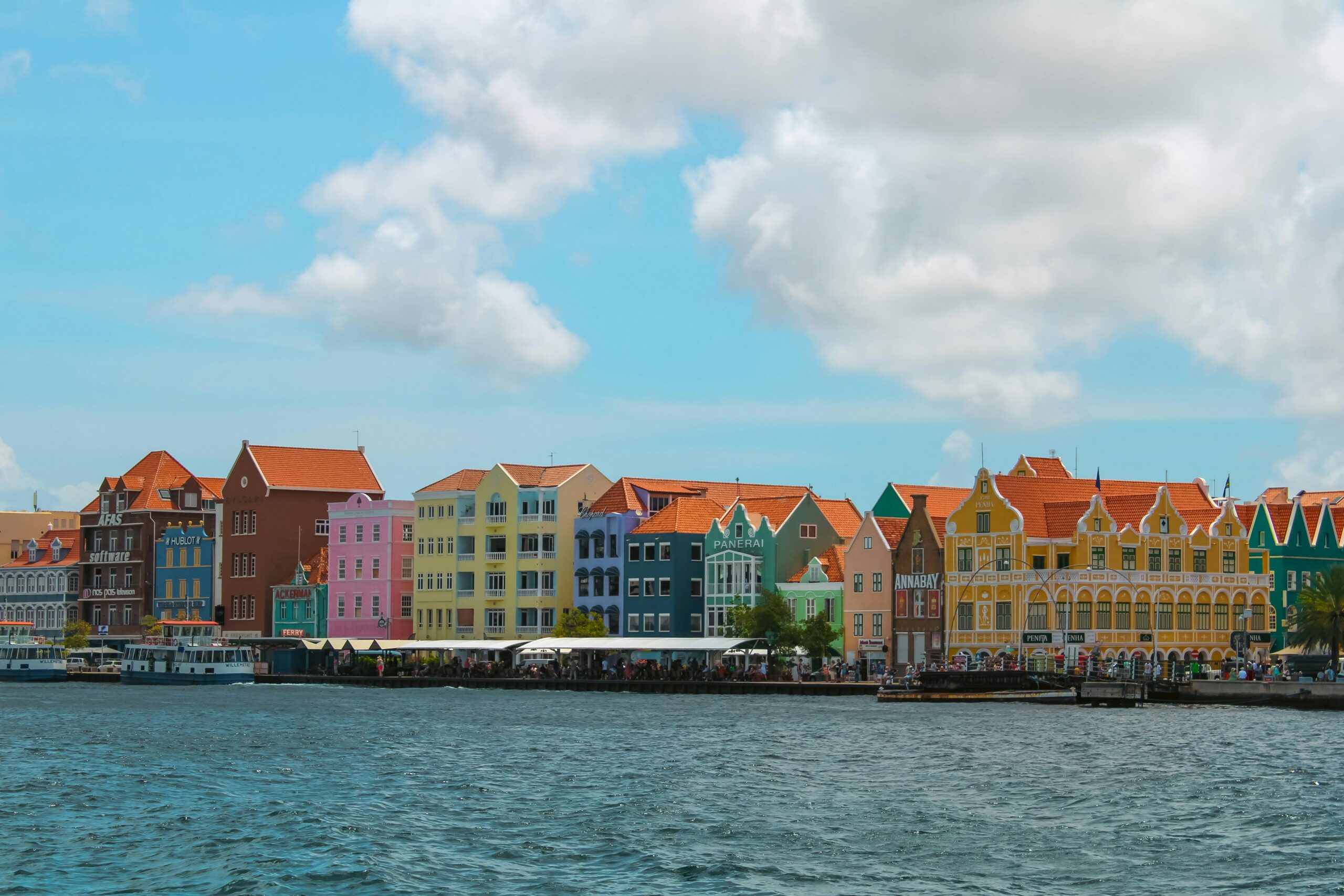
Like any destination, Curaçao does have crime, and it would be unrealistic to deny that. Pickpocketing and bag theft can occur in busy areas and certain neighborhoods of Willemstad. Opportunistic theft from parked rental cars at more remote beaches has also been reported. However, violent crime involving tourists is rare, and popular tourist areas such as Mambo Beach, Jan Thiel, and the Willemstad waterfront are well-patrolled and generally considered safe.
Safety Tips for Curaçao
- Do not leave valuables visible inside a parked rental car, especially at remote beaches.
- Avoid walking alone late at night in unfamiliar neighborhoods of Willemstad.
- Use the hotel safe for passports and excess cash.
- Book excursions through established operators on Mambo Beach Boulevard rather than through individuals.
- Always keep your rental car locked, even while driving.
Is Curaçao in the Hurricane Zone?
No. This is one of Curaçao’s biggest travel and safety advantages. The island is located around 12 degrees north latitude, below the main Atlantic hurricane path. No hurricane has ever made direct landfall on Curaçao in recorded history.
This also directly impacts the best time to visit Curaçao: you can book year-round without worrying about hurricane season.
Is Curaçao Safe for Families With Children?
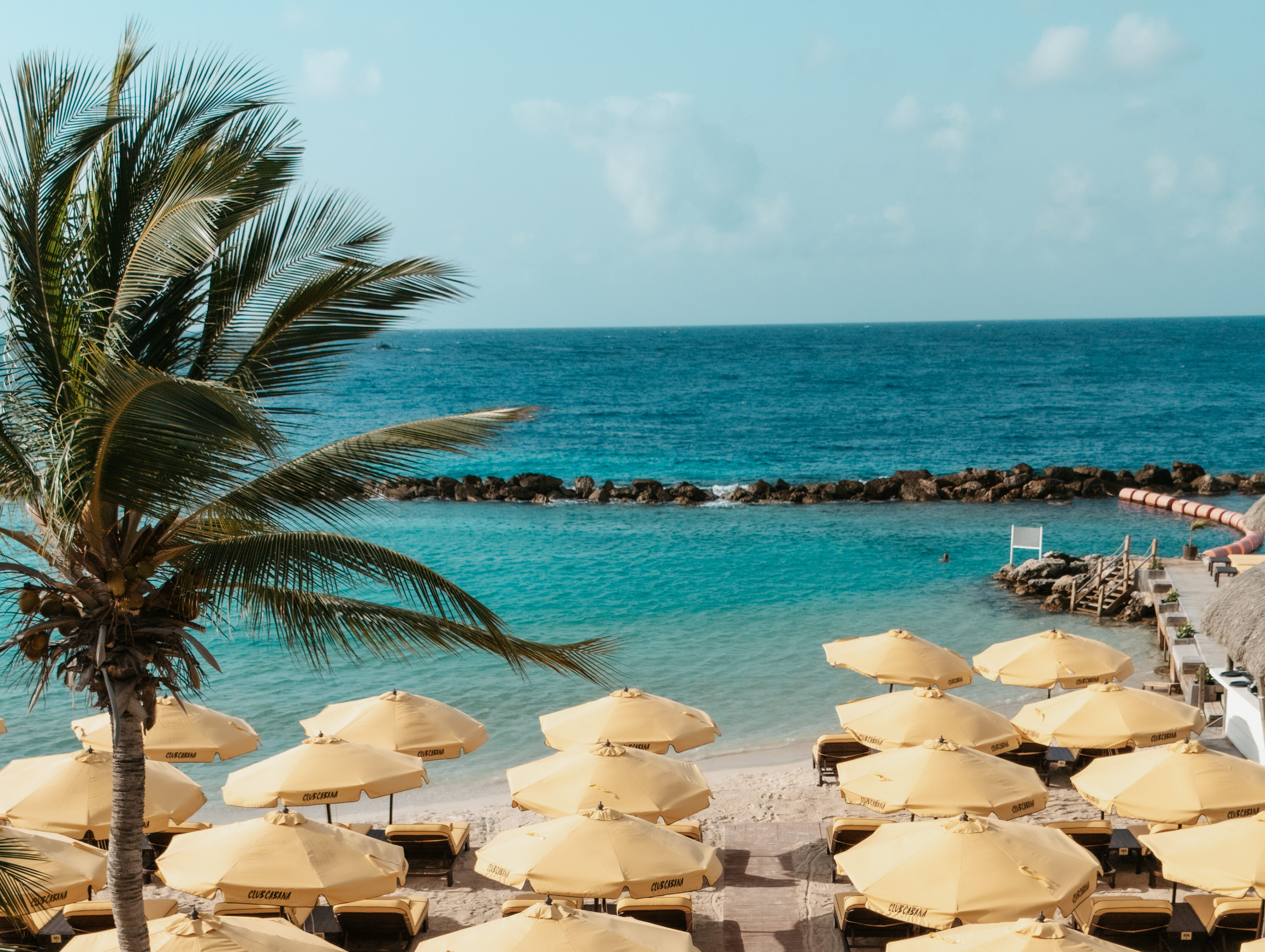
Curaçao is an excellent destination for families. The sheltered beaches along the southern coast have calm, shallow water with little to no surf, making them ideal for toddlers and young children. The island’s tourism infrastructure is well developed, and healthcare standards are high compared to many Caribbean destinations, with modern medical facilities available in Willemstad. Family-related crime is not considered an issue in tourist areas. Bon Bini Resort specifically welcomes families — children up to 3 years old stay free, and the resort offers cribs, high chairs, and family bungalows that can accommodate up to 6 guests.
Is Curaçao Safe for Solo Female Travelers?
Women traveling alone generally report feeling safe in Curaçao. The same common-sense precautions apply as they would in any unfamiliar destination: avoid poorly lit areas at night, trust your instincts, and take a taxi instead of walking long distances alone after dark. The Mambo Beach area and Jan Thiel are especially popular among solo travelers thanks to their high concentration of restaurants, bars, and activities.
What Are the Natural Risks?
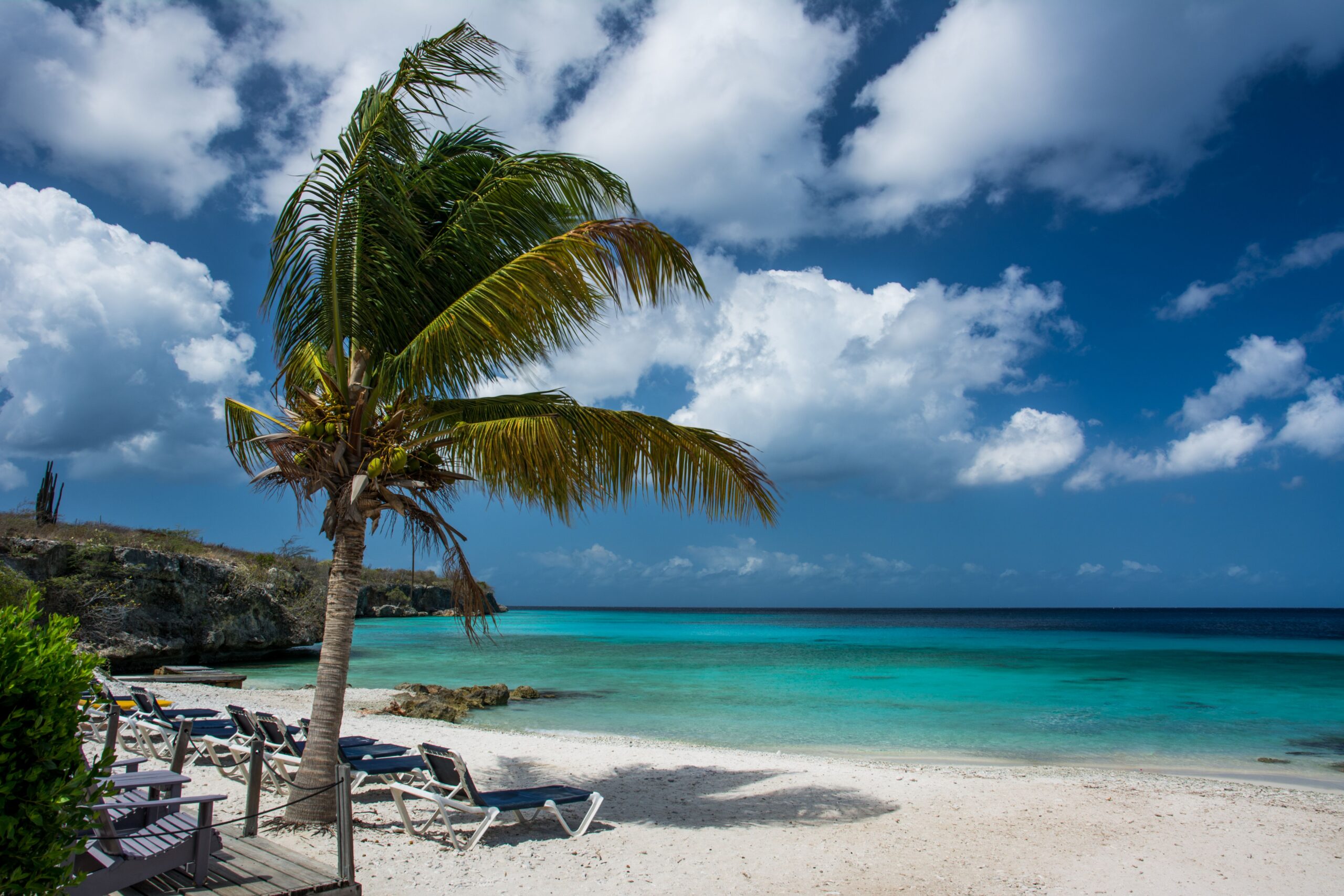
Curaçao has no active volcanoes, no significant earthquake risk, and is located outside the hurricane zone. The Caribbean waters surrounding the island are calm year-round, with little to no strong surf or dangerous waves. The main natural concern is sun exposure due to the strong tropical UV index. Use a high-SPF reef-safe sunscreen, especially between 10:00 AM and 3:00 PM.
Medical Facilities in Curaçao
Willemstad is home to the Curaçao Medical Center (CMC), a modern hospital serving the entire island. Several private clinics also operate in and around the capital. Travel insurance with medical coverage is strongly recommended, as with any international trip. Dutch citizens may also benefit from certain reciprocal healthcare arrangements.
In summary: Curaçao is a safe, stable, and well-organized destination. Use the same level of awareness you would at any international destination, and you are very likely to enjoy a smooth and worry-free stay. The island’s reputation among returning visitors for safety and hospitality is consistently excellent.
Practical Questions About Your Stay
Do you still have questions about check-in, resort security, or facilities? Visit our Bon Bini Resort FAQ page for quick answers.
Now that you know Curaçao is safe, discover everything the island has to offer — from the most beautiful beaches to the best activities and our complete Curaçao travel guide.
Safe, sunny, and ready to welcome you. Book direct for the best rate — including complimentary beach beds, shuttle service, and flexible booking conditions.